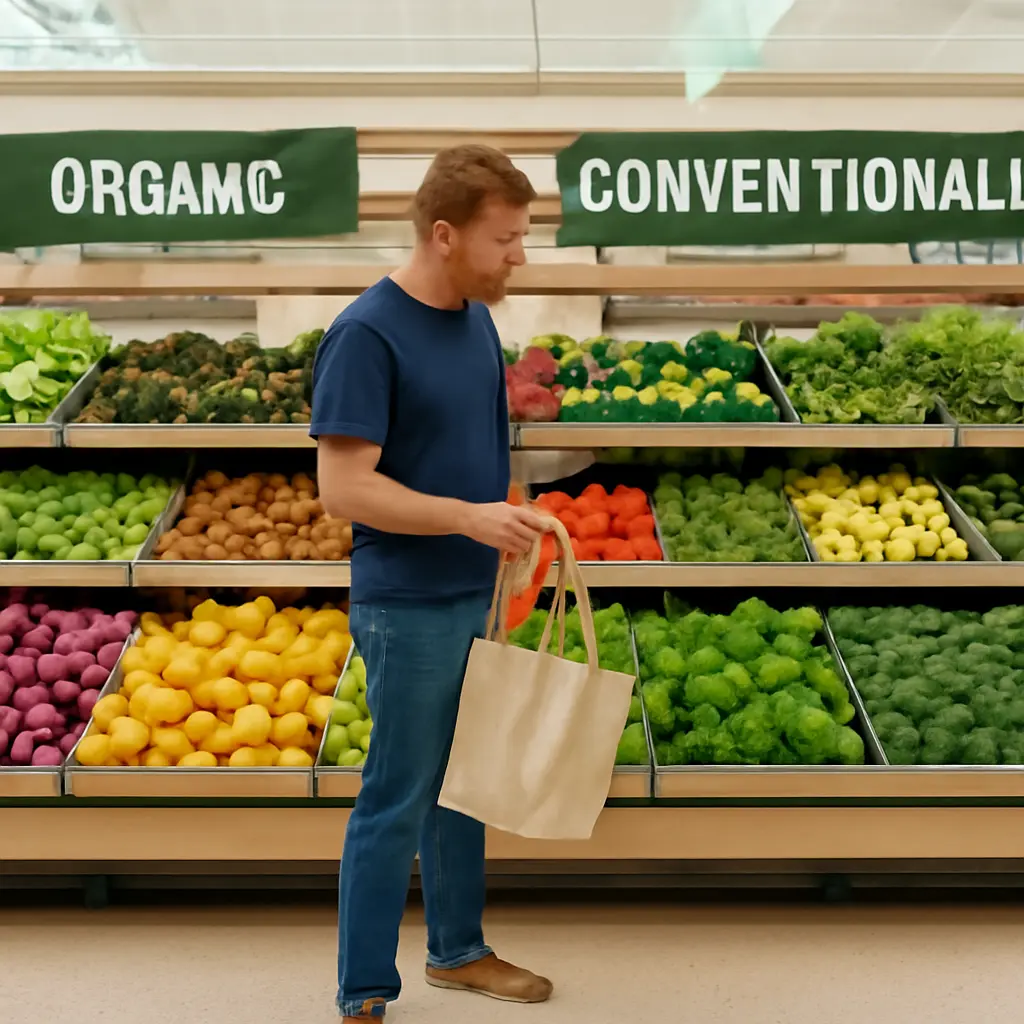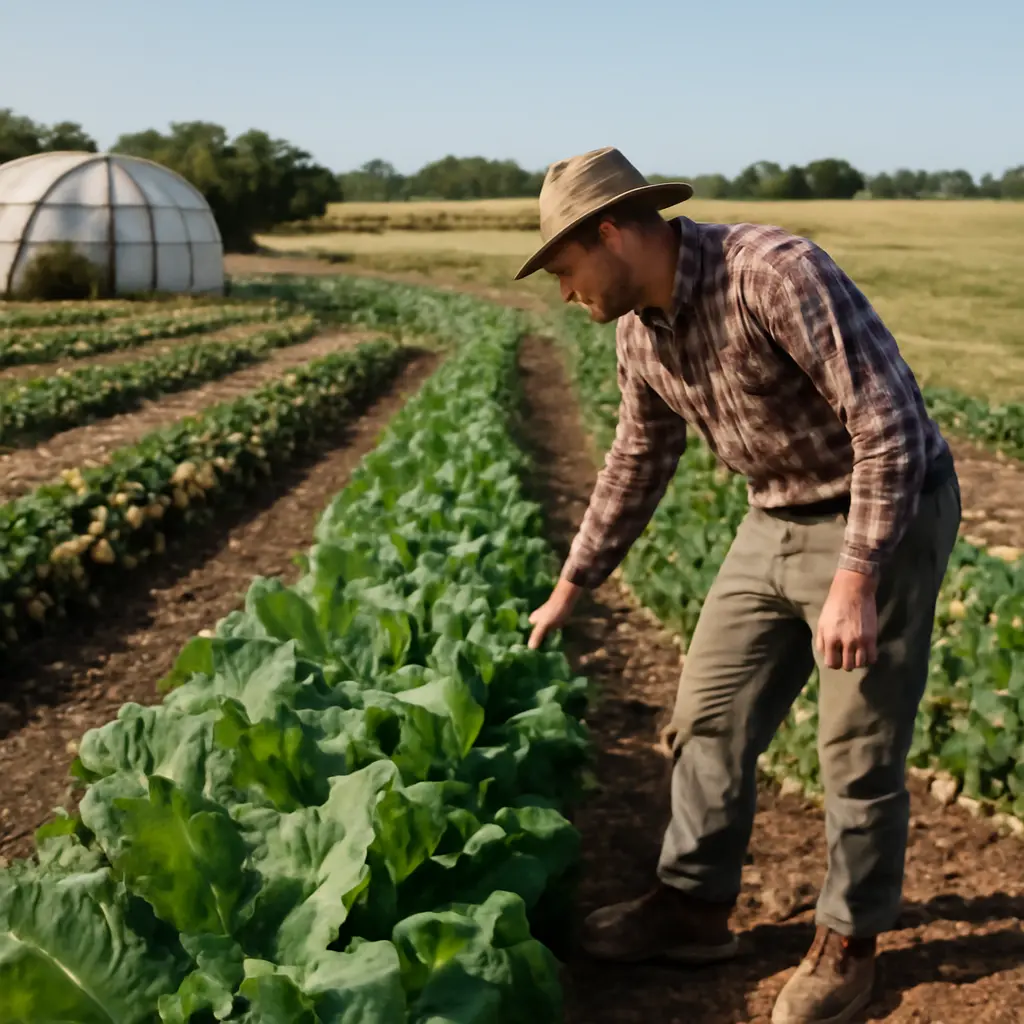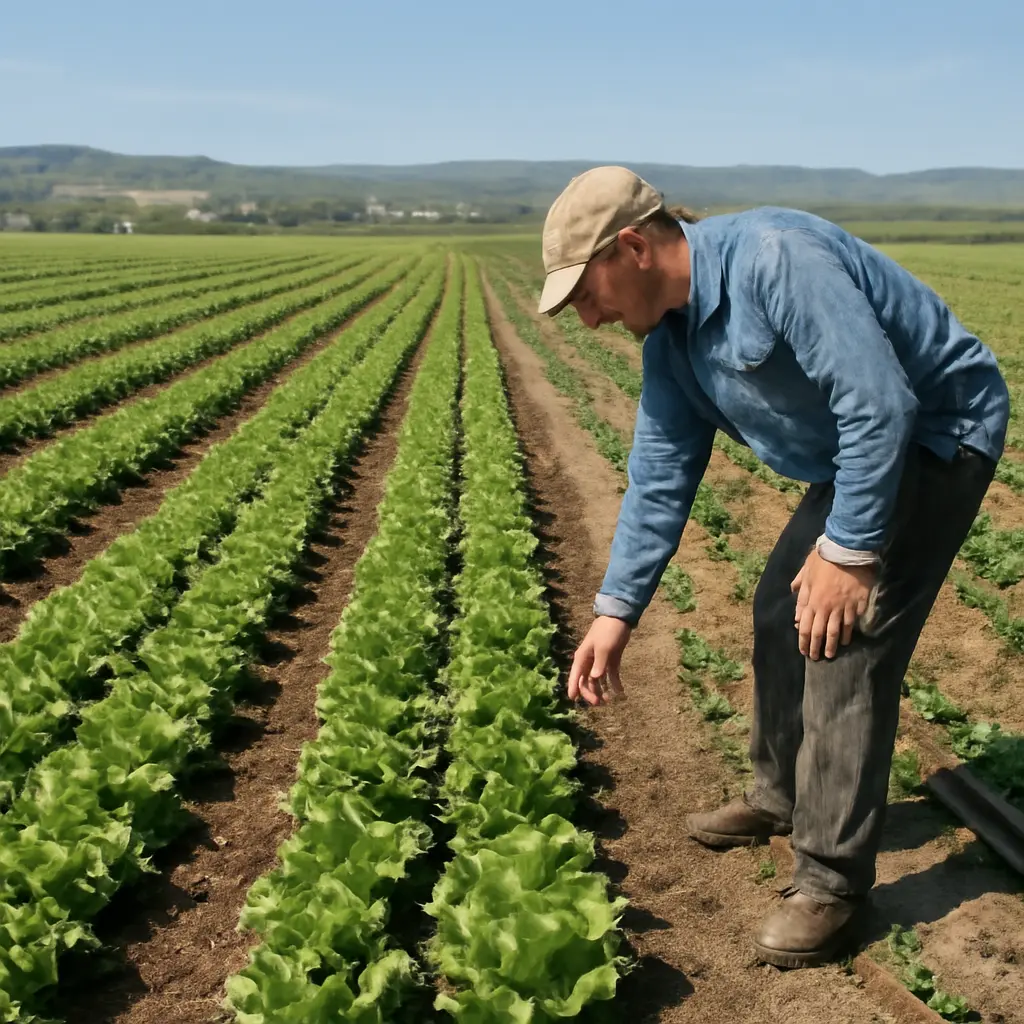
Organic food is food produced under certified standards that restrict most synthetic pesticides and fertilizers and prohibit genetically modified organisms, while setting rules for livestock care and processing. Global opportunities are expanding unevenly: the Research Institute of Organic Agriculture (FiBL) and IFOAM – Organics International reported that organic farmland reached 96.4 million hectares worldwide in 2022, while retail sales of organic food and drink totaled approximately €135 billion. Europe and North America lead in consumer spending, but Asia-Pacific, Latin America, and Africa offer distinct growth opportunities in production, processing, exports, and domestic markets. The strongest strategies match regional demand with credible certification, reliable supply chains, and affordability.
Organic food market opportunities: definition and global outlook
The organic food market is the network of producers, processors, certifiers, distributors, retailers, and consumers involved in food made and sold under recognized organic production and handling standards. There is no single worldwide organic rule: certification requirements differ by jurisdiction, and trade agreements or equivalency arrangements may allow products certified in one system to qualify in another.
FiBL and IFOAM’s 2024 edition of The World of Organic Agriculture, using 2022 data, reported about €135 billion in global organic retail sales and 96.4 million hectares of organic farmland. The United States was the largest national market, with roughly €58.6 billion in sales, followed by Germany and China. These figures show both the scale of established markets and the importance of regional variation: farmland area, consumer spending, and export capacity are different measures and do not rise in lockstep.
Relevant market categories include certified packaged foods, fresh produce, dairy and meat, organic ingredients for food manufacturers, and food sold through online or specialist retail channels. Organic is a production and certification claim, not a guarantee that a product is more nutritious, safer, local, or environmentally superior in every respect. That distinction matters when businesses make claims and when consumers compare products.
Regional demand shapes organic food market opportunities
Regional opportunity depends on the relationship between purchasing power, consumer trust, retail access, domestic production, and the cost of certification. FiBL’s 2022 figures show Europe and North America as the largest consumer markets, while countries in Oceania and Europe have some of the highest shares of agricultural land under organic management. The result is a market with different roles: some regions are principally high-value destinations, others are major producers or exporters, and many are both.
Europe: mature demand and established certification
Europe is a mature organic market with established specialist retailers, supermarket ranges, public awareness, and a shared regulatory framework within the European Union. The European Commission’s Farm to Fork Strategy set a target for at least 25% of EU agricultural land to be under organic farming by 2030. This is a policy objective, not a prediction that the target will necessarily be achieved.
Commercial opportunities include organic dairy, cereals, produce, plant-based products, and certified ingredients for food manufacturers. Suppliers must account for the EU organic regulation, labeling rules, and buyer requirements. Competition and price sensitivity are significant: growth depends not only on consumer interest but also on product availability, household budgets, and the ability to maintain a dependable supply.
North America: scale, brand differentiation, and online sales
North America combines a large established market with multiple sales channels, including supermarkets, natural-food retailers, direct-to-consumer businesses, and e-commerce. FiBL reported U.S. organic retail sales of approximately €58.6 billion in 2022, making the country the world’s largest national market by value in its dataset.
The U.S. Department of Agriculture’s National Organic Program establishes requirements for production, handling, and labeling. Opportunities include organic fresh foods, private-label lines, convenient meal products, and traceable products with clear sourcing stories. Companies should distinguish certification claims from other attributes such as regenerative practices or local origin, which have separate definitions and verification needs.
Asia-Pacific: rising demand alongside diverse supply chains
Asia-Pacific includes large and varied markets, from China and Japan to India, Australia, and emerging Southeast Asian economies. China was among the world’s largest organic food markets in FiBL’s 2022 reporting, while Australia has extensive organic agricultural land. These contrasting profiles create opportunities in both domestic consumer products and export-oriented agriculture.
Potential categories include organic grains, tea, spices, fresh produce, dairy, and packaged foods. Market entry requires country-specific research: certification recognition, import controls, labeling language, distribution infrastructure, and consumer understanding differ substantially. Producers and exporters can benefit from processing closer to origin, but only where food safety systems, cold chains, and certification oversight meet buyer requirements.
Latin America: export strengths and domestic-market potential
Latin America is an important source of organic commodities and ingredients, including coffee, cocoa, sugar, fruit, and grains. Its opportunity is not limited to exports: urban retail, tourism, food service, and regional brands can support domestic demand. Exporters, however, face exposure to freight costs, commodity-price swings, climate risks, and the expense of maintaining certifications accepted by destination markets.
A resilient strategy can combine export contracts with local sales and invest in value-added processing, such as roasting, drying, or packaging. This approach may retain more value in producing countries, provided processors can meet buyer specifications and maintain segregation between organic and conventional products.
Africa and the Middle East: production, resilience, and access
Africa and the Middle East present varied opportunities in organic and certified specialty crops, including cocoa, coffee, cotton-linked food systems, oilseeds, and selected fruits and vegetables. In many locations, the key growth constraints are not consumer interest alone but access to finance, extension services, irrigation, storage, certification, and dependable routes to market.
Smallholder groups can improve market access by coordinating training, internal inspections, processing, and sales. Certification is not automatically the same as organic production: producers need records, compliance systems, and an accredited certification process. Partnerships with exporters, cooperatives, local retailers, and development organizations can reduce the burden, but commercial plans should verify costs and expected premiums rather than assume them.
Organic food market opportunities by product and channel
Once regional demand is understood, businesses can identify opportunities by product category and route to market. The same organic claim may support very different business models, from fresh produce sold locally to shelf-stable ingredients traded internationally.
Fresh produce and short supply chains
Organic fruits and vegetables can attract consumers seeking certified production and clear provenance. Their commercial challenge is perishability: operators need careful forecasting, cold storage, efficient transport, and plans for seasonal variation. Local and regional supply can shorten delivery times, although “local” and “organic” are distinct claims and should be substantiated separately.
Packaged foods and certified ingredients
Packaged organic foods can reach consumers through supermarkets, specialty stores, food-service suppliers, and online platforms. Organic ingredients also give manufacturers a way to develop certified product lines, provided every relevant ingredient and processing step meets the applicable rules. Businesses should review formulation, supplier documentation, labeling, and certification before launch; the word “organic” cannot be used as a substitute for compliant certification.
E-commerce, direct sales, and food service
Digital commerce can help niche brands explain certification, publish sourcing information, and serve customers beyond specialist-store catchments. Subscription boxes and direct farm sales can create closer customer relationships, while restaurants, schools, and institutional caterers can provide larger recurring orders. Each channel brings different requirements for delivery economics, product consistency, packaging, and proof of claims.
Certification, trust, and constraints on regional growth
Certification is the operational foundation of the organic market: it verifies that production and handling meet a defined standard. IFOAM – Organics International describes organic agriculture through principles of health, ecology, fairness, and care, while legal certification schemes translate requirements into auditable rules. These principles and legal standards are related, but they are not interchangeable.
Standards, traceability, and market access
Producers selling across borders may need certification recognized by the importing market, alongside compliant labels, transaction records, and supply-chain controls. The EU, United States, and other jurisdictions maintain their own requirements; equivalence arrangements can simplify trade in some cases but do not remove the need to verify product and operator eligibility. Traceability and clear segregation help prevent conventional and organic goods from being mixed or misrepresented.
Affordability, yields, and climate resilience
Organic production can involve transition costs, additional recordkeeping, and different approaches to pest, soil, and nutrient management. Yield outcomes vary by crop, place, and management; they should not be generalized from a single farm or study. The Food and Agriculture Organization emphasizes sustainable soil and land management as part of resilient food systems, but a production label alone does not prove performance on every environmental measure. Businesses should assess local agronomy, input availability, water risk, and climate exposure.
Consumer affordability is another constraint. Organic products may carry price premiums, but premiums vary by category, retailer, and market conditions. Smaller pack sizes, seasonal sourcing, efficient logistics, and a wider range of price points can help broaden access without weakening certification or making unsupported health and environmental claims.
Conclusion: turning regional demand into durable opportunity
Organic food market opportunities are substantial but geographically uneven. Global sales reached about €135 billion in 2022, and organic farmland covered approximately 96.4 million hectares, according to FiBL and IFOAM. Europe and North America offer established demand; Asia-Pacific combines large markets with diverse supply potential; Latin America has export and value-added prospects; and Africa and the Middle East can build opportunities through stronger producer organizations, infrastructure, and market access.
The most durable growth strategies align regional products with verified demand, comply with destination-market standards, invest in traceability, and treat affordability and climate risk as core business concerns. Producers, investors, and retailers should compare certification costs, buyer requirements, and local supply-chain capacity before committing capital, then monitor current market data and regulatory changes as they expand.
Sources: FiBL and IFOAM – Organics International, The World of Organic Agriculture: Statistics and Emerging Trends 2024, https://www.fibl.org/en/shop-en/1747-organic-world-2024; European Commission, Farm to Fork Strategy, https://food.ec.europa.eu/horizontal-topics/farm-fork-strategy_en; U.S. Department of Agriculture, National Organic Program, https://www.ams.usda.gov/about-ams/programs-offices/national-organic-program; IFOAM – Organics International, The Four Principles of Organic Agriculture, https://www.ifoam.bio/why-organic/shaping-agriculture/four-principles-organic; Food and Agriculture Organization of the United Nations, Sustainable Soil and Land Management, https://www.fao.org/soils-portal/soil-management/en/